
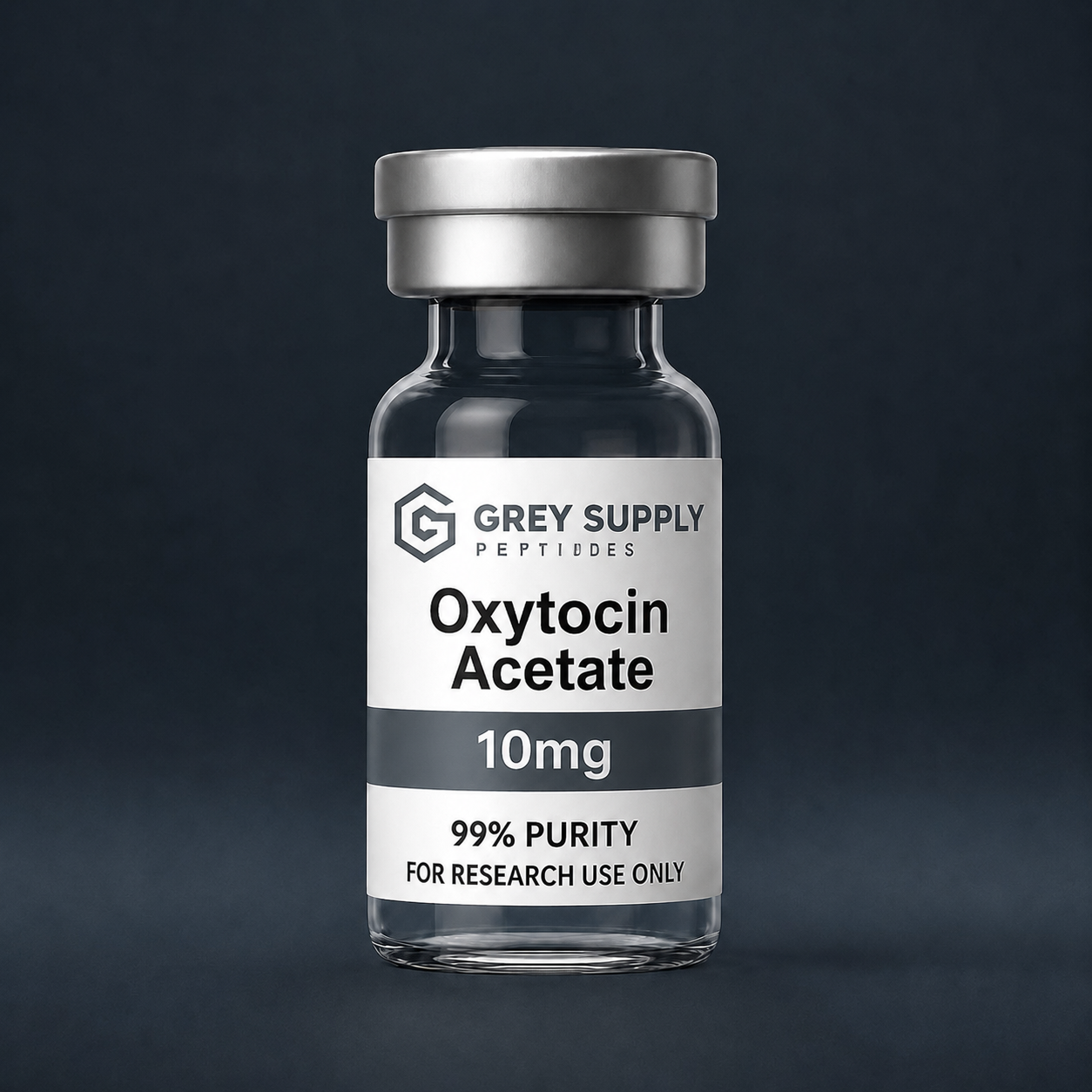
Oxytocin Acetate
Price range: $45.00 through $60.00
Oxytocin Acetate is a synthetic form of oxytocin supplied for use in appropriate medical, pharmaceutical, research, and institutional settings. It is designed to replicate the biological activity of naturally occurring oxytocin, a peptide hormone that plays an important role in uterine muscle contraction, labor management, and postpartum care. Because the product directly affects physiological processes, it should be handled, stored, prescribed, and administered only by qualified healthcare professionals in accordance with approved medical guidance.
Oxytocin Acetate: Reliable Pharmaceutical-Grade Oxytocin for Professional Use
Oxytocin Acetate is a synthetic form of oxytocin supplied for use in appropriate medical, pharmaceutical, research, and institutional settings. It is designed to replicate the biological activity of naturally occurring oxytocin, a peptide hormone that plays an important role in uterine muscle contraction, labor management, and postpartum care. Because the product directly affects physiological processes, it should be handled, stored, prescribed, and administered only by qualified healthcare professionals in accordance with approved medical guidance.
Oxytocin Acetate may be selected by hospitals, clinics, pharmacies, research organizations, and pharmaceutical facilities that require a dependable oxytocin formulation for controlled professional applications. Its use should always follow the product’s official prescribing information, applicable regulations, and the judgment of a licensed medical practitioner.
Key Product Features
– Synthetic oxytocin acetate formulation
– Intended for professional medical or institutional use
– Suitable for controlled pharmaceutical and research environments
– Manufactured according to applicable quality standards
– Supplied with product-specific specifications and documentation
– Requires professional handling, storage, and administration
– Available in packaging options that may vary by supplier and market
What Is Oxytocin Acetate?
Oxytocin is a naturally occurring hormone produced in the hypothalamus and released by the posterior pituitary gland. It supports several essential physiological functions, particularly those associated with childbirth and lactation. Oxytocin Acetate contains a synthetic version of this hormone in an acetate-associated formulation intended for pharmaceutical use.
In clinical practice, oxytocin may be used to stimulate uterine contractions when medically indicated. It can also support the management of uterine tone after delivery. However, treatment decisions depend on the patient’s condition, gestational status, medical history, and response to therapy. Therefore, Oxytocin Acetate must not be used without professional assessment and supervision.
The product is not intended for casual, cosmetic, self-directed, or general wellness use. Instead, it belongs in carefully controlled settings where trained professionals can evaluate the patient, calculate the appropriate dose, monitor the response, and manage potential complications.
Professional Applications
Oxytocin Acetate may be used in a variety of regulated healthcare settings. Its most recognized applications relate to obstetric care. For example, a healthcare professional may consider oxytocin when labor induction or augmentation is clinically appropriate. In other circumstances, it may be used after childbirth to help support uterine contraction and reduce the risk of excessive postpartum bleeding.
Nevertheless, the decision to use oxytocin requires careful clinical evaluation. Factors such as fetal position, cervical status, uterine activity, previous uterine surgery, placental location, and maternal health can influence whether the medicine is appropriate. Monitoring requirements may also vary according to the intended use and the patient’s overall condition.
Healthcare organizations may also obtain Oxytocin Acetate for protocol development, educational programs, analytical testing, or regulated research. In these settings, the material should be managed according to institutional procedures, laboratory controls, and all applicable laws.
Quality and Manufacturing Considerations
Reliable pharmaceutical products begin with controlled raw materials, consistent manufacturing processes, and documented quality systems. When sourcing Oxytocin Acetate, purchasers should evaluate the supplier’s manufacturing credentials, quality documentation, batch information, and storage procedures.
Depending on the supplier and jurisdiction, available documentation may include a certificate of analysis, lot number, expiration date, product specifications, safety information, and transport requirements. Furthermore, buyers should confirm whether the product complies with the standards required by their country, institution, or regulatory authority.
Quality assurance is particularly important for products that affect uterine activity and other significant physiological functions. For this reason, Oxytocin Acetate should be purchased only through legitimate, authorized, and appropriately regulated channels. Unverified products may present risks related to identity, purity, potency, sterility, contamination, or improper storage.
Storage and Handling
Oxytocin Acetate must be stored according to the manufacturer’s labeled instructions. Temperature, light exposure, moisture, container integrity, and transportation conditions can affect product stability. Before use, qualified personnel should inspect the packaging and verify the product name, concentration, lot number, expiration date, and physical appearance.
If the container appears damaged, mislabeled, expired, contaminated, or improperly stored, it should not be used until an authorized professional has evaluated it. In addition, facilities should maintain appropriate inventory records and follow established procedures for receiving, storing, dispensing, and disposing of the product.
Handling procedures should reflect the product’s intended route of administration and the standards of the facility. Only trained personnel should prepare or administer Oxytocin Acetate. The product must never be shared, repackaged, or transferred outside approved channels without suitable documentation and authorization.
Administration and Clinical Supervision
Oxytocin Acetate requires professional administration. The appropriate dose, concentration, route, and infusion rate depend on the clinical indication and the patient’s response. A healthcare professional should determine the regimen and monitor the patient throughout treatment.
During obstetric use, monitoring may include uterine activity, fetal heart rate, maternal vital signs, fluid balance, and other relevant clinical parameters. If excessive uterine activity or an adverse response develops, the medical team may need to adjust or discontinue treatment and provide appropriate supportive care.
Patients should never self-administer oxytocin or obtain it from unauthorized online sources. Likewise, the product should not be used to induce labor, influence fertility, increase milk production, or produce other effects without direct medical supervision. Individual treatment needs differ, and an approach that may be appropriate in one situation can be unsafe in another.
Important Safety Information
Oxytocin can cause powerful physiological effects. Potential adverse reactions may include excessive uterine contractions, uterine hyperstimulation, changes in fetal heart rate, nausea, vomiting, headache, changes in blood pressure, allergic reactions, or fluid and electrolyte disturbances. Serious complications can occur in some circumstances.
Because of these risks, medical professionals must assess contraindications, precautions, drug interactions, and patient-specific risk factors before treatment. Oxytocin may not be appropriate in certain cases involving obstructed labor, abnormal fetal presentation, specific placental conditions, previous uterine procedures, or other medical concerns. The full prescribing information should be reviewed before use.
This product description does not replace professional medical advice, a product label, or official prescribing information. Patients should discuss questions with a qualified physician, midwife, pharmacist, or other licensed healthcare professional. Any suspected adverse reaction should be reported promptly through the appropriate clinical and regulatory channels.
why Choose a Verified Oxytocin Acetate Supplier?
A dependable supplier can help healthcare and research organizations maintain product quality, regulatory compliance, and supply continuity. When reviewing potential sources, consider the following:
1. Verified product identity: Confirm that the material matches the required oxytocin formulation and concentration.
2. Quality documentation: Request applicable certificates, specifications, and batch records.
3. Regulatory compliance: Ensure that the supplier operates lawfully in the intended market.
4. Secure packaging: Check that the product is sealed, labeled, and protected during transport.
5. Traceable supply chain: Select a source that can document procurement, storage, and distribution.
6. Professional support: Choose a supplier that provides clear technical and product information.
7. Reliable fulfillment: Evaluate availability, lead times, shipping conditions, and customer service.
A transparent purchasing process supports patient safety and helps institutions meet internal quality requirements. Additionally, responsible suppliers clearly distinguish approved medical products from research materials and explain any restrictions that apply.
Frequently Asked Questions
What is Oxytocin Acetate used for?
Oxytocin Acetate may be used by qualified medical professionals for specific obstetric indications, including labor induction, labor augmentation, and support of uterine contraction after childbirth. Its use depends on clinical judgment and approved labeling.
Can individuals use Oxytocin Acetate without a prescription?
No. Oxytocin affects important physiological functions and should be used only under the direction and supervision of an authorized healthcare professional.
How should Oxytocin Acetate be stored?
Storage requirements depend on the specific product, concentration, packaging, and manufacturer. Always follow the official label and product documentation.
Is Oxytocin Acetate suitable for veterinary use?
Veterinary applications depend on local regulations, product approval, species, and professional judgment. A veterinarian should determine whether a particular product is appropriate.
Can Oxytocin Acetate be used for general wellness or cosmetic purposes?
No. It should not be promoted or used as a general wellness, weight-management, cosmetic, fertility, or performance-enhancing product unless such use is specifically approved and medically supervised.
Order Oxytocin Acetate Through a Trusted Channel
Organizations seeking Oxytocin Acetate should work with authorized suppliers that provide clear documentation, secure packaging, reliable storage, and regulatory support. Before placing an order, confirm the required formulation, strength, quantity, delivery conditions, and jurisdictional requirements.
With appropriate sourcing and professional oversight, Oxytocin Acetate can support legitimate medical and institutional needs. However, it must always be used responsibly, stored correctly, and administered only by trained professionals under approved clinical protocols.
| Weight | 5mg 10 vials, 10mg 10 vials |
|---|
Be the first to review “Oxytocin Acetate”
Related products
PEPTIDE KIT
PEPTIDE KIT
Reviews
There are no reviews yet.